
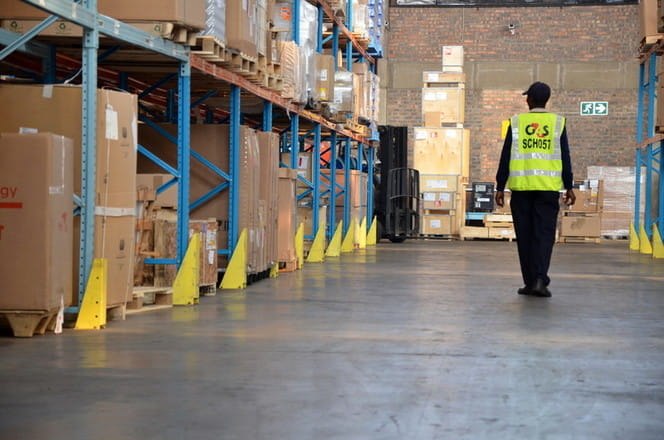
Best CCTV System for a Warehouse or Storage Facility in South Africa
Choosing the right CCTV security system for a warehouse in South Africa is not just about recording video. It’s about reducing theft, improving staff safety, protecting stock, and creating a complete security strategy with security cameras and an alarm system.
South African warehouse environments face unique challenges: load shedding, perimeter breaches, organized theft, and large indoor spaces with limited visibility. That means the best solution is usually a layered system, not just a few cameras on walls.
Why warehouses need a specialized CCTV approach
A warehouse has different risk zones:
- Perimeter fences and gates
- Loading bays and dispatch areas
- High-value storage aisles
- Staff entry/exit points
- Admin and cash handling areas
A basic home-style CCTV setup won’t cover these properly. You need commercial-grade security cameras, centralized recording, remote access, and integration with an alarm system.
Best type of CCTV system for a warehouse
For most South African warehouses, the best choice is:
IP CCTV system with PoE cameras + NVR + alarm integration
This setup gives you:
- High-resolution video (4MP to 8MP) for clear evidence
- Easy scaling as the warehouse grows
- Central management via NVR (Network Video Recorder)
- Remote viewing from phone/PC
- Reliable integration with beams, PIR sensors, and sirens in your alarm system
Recommended camera mix
Use different security cameras for different zones:
- 4MP Bullet cameras (outdoors): Great for perimeter walls, gates, and parking
- 4MP Turret/dome cameras (indoors): Better for aisles and packing areas
- PTZ cameras (large yards): Useful for active tracking in wide spaces
- ANPR cameras: For vehicle number plate capture at entry/exit points
Key warehouse CCTV features to prioritize
When selecting a cctv system, prioritize:
- Night vision / low-light performance (critical during power outages and night shifts)
- Motion and intrusion analytics (line crossing, loitering detection)
- Tamper alerts (camera moved, covered, or offline)
- Cloud backup or off-site backup (protects footage if NVR is stolen)
- UPS/Inverter support for cameras, NVR, and network equipment during load shedding
Integrating CCTV with an alarm system
A standalone camera system helps after an incident. An integrated alarm system helps prevent it in real time.
Best practice:
- Connect perimeter beams to trigger alerts and spotlight/siren response
- Trigger camera bookmarks when alarms activate
- Send notifications to armed response and management instantly
- Use panic buttons in dispatch and receiving areas
This turns your warehouse cctv into an active defense system, not just passive recording.
Local South African considerations
When designing your warehouse security cameras solution in South Africa, include:
- Load shedding resilience: UPS for at least 2–4 hours
- Lightning and surge protection: especially for long outdoor cable runs
- POPIA compliance: clear signage, controlled footage access, retention policy
- Armed response integration: especially for high-risk industrial zones
Typical retention and storage planning
For a medium warehouse, aim for:
- 30-45 days retention (depending on risk and policy)
- H.265/H.265+ compression for efficient storage
- RAID-enabled NVR for redundancy
Higher-risk operations (electronics, pharma, FMCG distribution) should target longer retention and redundant backups.
Final recommendation
The best CCTV solution for a South African warehouse is a professionally installed IP-based system with:
- High-quality security cameras (indoor + outdoor + optional PTZ/ANPR)
- NVR with adequate retention and backup
- Full alarm system integration
- Power backup for load shedding
- Remote monitoring and incident response workflow
If you invest in the right architecture from day one, your warehouse will be safer, claims will be easier to defend, and operations will run with less disruption.
Why businesses trust Unifier
Unifier has extensive experience helping both large and small companies across South Africa secure their warehouse environments. From single-site operations to multi-site logistics businesses, we design and install practical CCTV and alarm system solutions that reduce risk, improve visibility, and protect stock and staff.
Ready to secure your warehouse? Contact Unifier today for a site assessment and a tailored CCTV + alarm system recommendation for your facility.